Product Overview
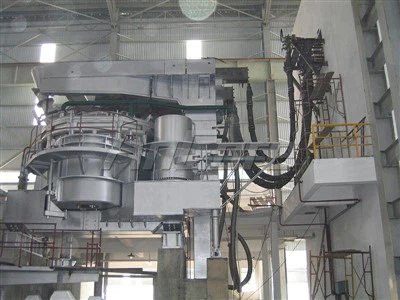
The Electric Arc Furnace (EAF) is an industrial melting system designed for high-temperature steelmaking and metal melting using electrical arc energy. It can be configured to process ferrous scrap, direct reduced iron (DRI), hot briquetted iron (HBI), or combinations of different metallic feedstocks, depending on the required production process.
Electrical energy is transferred to the furnace charge through graphite electrodes, generating an electric arc for rapid and controlled melting. EAF configurations can incorporate electrode regulation, furnace transformers, hydraulic tilting, water-cooled components, charging systems, oxygen and carbon injection, and process control according to furnace capacity and plant requirements.
The furnace is suitable for steel mills, mini-mills, foundries, metal recycling operations, and other metallurgical plants requiring electrically powered melting. Furnace capacity, power configuration, charging method, cooling arrangement, and automation level can be engineered according to the customer's production requirements and existing plant conditions.
-
![Electric Arc Melting Furnace]() Electric Arc Melting Furnace1.Engineered with Ultra-High Power (UHP) transformers to achieve rapid tap-to-tap times under 50 minutes, maximizing annual throughput.. 2.Integrated scrap preheating and oxy-fuel burner systems
-
![Ferrovanadium Melting Furnace]() Ferrovanadium Melting Furnace1.Equipped with advanced Thyristor-controlled power units to maintain stable smelting temperatures above 1,900°C, ensuring complete aluminothermic reduction and maximum vanadium recovery
-
![DC Electric Arc Furnace]() DC Electric Arc Furnace1.Utilizes Single Graphite Electrode (DC) technology, reducing electrode consumption by up to 50% compared to AC units, significantly lowering long-term OPEX.2.Equipped with high-performance
-
![50T AC Electric Arc Furnace]() 50T AC Electric Arc Furnace1.Equipped with a 40-50 MVA Ultra-High Power (UHP) transformer to ensure a tap-to-tap time under 55 minutes, maximizing daily heat cycles.2.Optimized for versatile feedstock ratios, including Scrap,


Working Principle & Furnace Structure
Core Working Principle
Charging: Scrap steel, DRI, HBI, or other specified metallic feedstocks are charged into the furnace through the selected charging system.
Melting: Electrical power is supplied through the furnace transformer and high-current secondary circuit. Graphite electrodes generate an electric arc above the metallic charge, transferring thermal energy to the furnace for melting.
Refining: Oxygen, carbon, and other process materials can be introduced according to the selected melting practice. Slag formation and bath chemistry are controlled as part of the steelmaking process.
Tapping: After the required melting and metallurgical conditions are reached, the furnace is tilted to transfer molten steel into a ladle. The furnace configuration can include dedicated slagging and tapping arrangements according to the project design.
Structural Components
Furnace Shell: Heavy-duty welded steel structure designed according to furnace capacity, operating loads, refractory arrangement, and cooling configuration.
Electrode Regulation System: Hydraulic or other specified electrode movement systems maintain the required electrode position during arc operation. Control parameters can be integrated with the furnace automation system.
Furnace Tilting System: Hydraulic or mechanical tilting equipment supports controlled furnace movement for tapping and slagging operations.
Furnace Roof: Designed to accommodate electrode penetration, charging requirements, cooling components, and other process equipment.
Cooling Components: Water-cooled panels, cables, conductive components, and other cooling circuits can be configured for areas exposed to high thermal loads.
Refractory Lining: The hearth and other furnace zones are protected by refractory materials selected according to the operating temperature and metallurgical process.
Key Features
High-Power Electric Melting: The EAF uses electrical arc energy for intensive melting of metallic feedstocks and can be configured with different transformer and secondary-circuit arrangements according to required furnace power.
Configurable Electrode Control: Electrode movement and arc control can be integrated with PLC-based automation to support stable furnace operation.
Heavy-Duty Furnace Construction: The furnace shell, tilting structure, roof, and supporting components are engineered for the mechanical and thermal conditions associated with industrial steelmaking.
Water-Cooled Components: Water-cooled panels, cables, conductive components, and related circuits can be incorporated in areas requiring controlled heat removal.
Flexible Feedstock Configuration: The furnace can be configured for scrap, DRI, HBI, or combinations of metallic feedstocks according to the required melting process.
Integrated Process Equipment: Oxygen and carbon injection, charging equipment, fume extraction, cooling systems, hydraulic equipment, and process control can be integrated according to project requirements.
Project-Specific Configuration: Furnace capacity, transformer rating, electrode arrangement, charging method, auxiliary systems, and automation level can be adapted to the customer's production process and plant layout.
Technical Specifications
|
Parameter |
Specification |
|
Furnace Type |
Electric Arc Furnace |
|
Furnace Capacity |
Customized according to project requirements |
|
Melting Material |
Scrap steel, DRI, HBI, and specified metallic feedstocks |
|
Power Configuration |
Customized according to furnace capacity and process requirements |
|
Furnace Transformer |
Configured according to required furnace power |
|
Electrode System |
Graphite electrode system |
|
Tilting System |
Hydraulic or project-specific configuration |
|
Cooling System |
Water-cooled components with dedicated cooling circuits |
|
Charging System |
Top charging, continuous feeding, or project-specific configuration |
|
Control System |
PLC-based control with optional process automation |
|
Fume Extraction |
Primary and/or secondary fume extraction according to project requirements |
|
Furnace Layout |
Customized for new or existing meltshop layouts |

Applications
Steelmaking
EAF systems can be configured for the melting and production of carbon steel, alloy steel, stainless steel, and other specified steel grades according to the required metallurgical process.
Scrap Steel Recycling
The furnace provides an electrically powered route for melting ferrous scrap from recycling operations and steel production facilities.
DRI and HBI Melting
The EAF can be configured to process DRI and HBI feedstocks. Charging equipment, power configuration, and process control are selected according to the required proportion of DRI/HBI and the overall steelmaking process.
Mini-Mill Production
EAF technology is widely used in mini-mill production where electric melting of metallic feedstocks forms the primary melting stage of the steelmaking process.
Foundry Applications
Suitable furnace configurations can be developed for foundries requiring controlled melting of ferrous metallic feedstocks for industrial casting production.
Furnace Configuration & Auxiliary Systems
A complete EAF installation can integrate multiple systems around the main furnace body.
Electrical System: The electrical package can include the furnace transformer, high-current secondary circuit, conductive components, protection equipment, and power-quality equipment according to the site electrical conditions and utility requirements.
Electrode System: Electrode holders, conductive arms, electrode lifting equipment, and associated control systems provide the electrical connection and controlled electrode movement required for arc melting.
Hydraulic System: Hydraulic equipment can be used for furnace tilting, electrode movement, roof operation, and other mechanical functions depending on the furnace configuration.
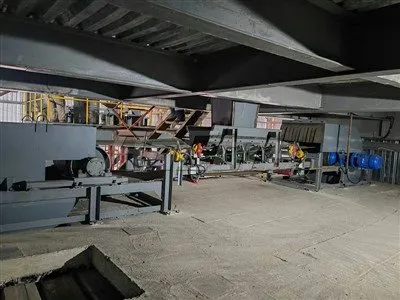
Raw Material Handling: Charging buckets, continuous feeding systems, scrap handling equipment, alloy and flux feeding systems, and related weighing equipment can be integrated according to the selected production process.
Cooling System: Water-cooled furnace panels, cables, conductive components, and other heat-exposed assemblies can be connected to a dedicated cooling circuit. Cooling equipment is configured according to the furnace design and site conditions.
Fume Extraction & Dust Collection: Primary and secondary fume extraction systems can be integrated with the furnace to collect process emissions and transfer them to the specified dust collection system.
Automation & Control: PLC-based control can be integrated with electrode regulation, hydraulic functions, furnace operation, charging, process monitoring, and other auxiliary systems. Higher-level process automation can be configured where required.
EAF manufacturing involves heavy structural fabrication, machining, electrical assembly, hydraulic integration, cooling-system assembly, and the inspection of critical components.
Furnace shells, roofs, supporting structures, and other heavy components are fabricated according to project drawings and specified operating loads. Critical welded and machined components are inspected for dimensional accuracy, alignment, welding quality, and assembly requirements.
Water-cooled panels, manifolds, cables, and related circuits are checked according to their specified operating and pressure requirements. Hydraulic, mechanical, and electrical systems are inspected during assembly to verify the required movement, connection, and interface conditions.
Where applicable, major assemblies can be pre-assembled and functionally checked before shipment. Factory inspection and testing procedures are defined according to the equipment configuration and contractual technical requirements.
OEM / Engineering Customization
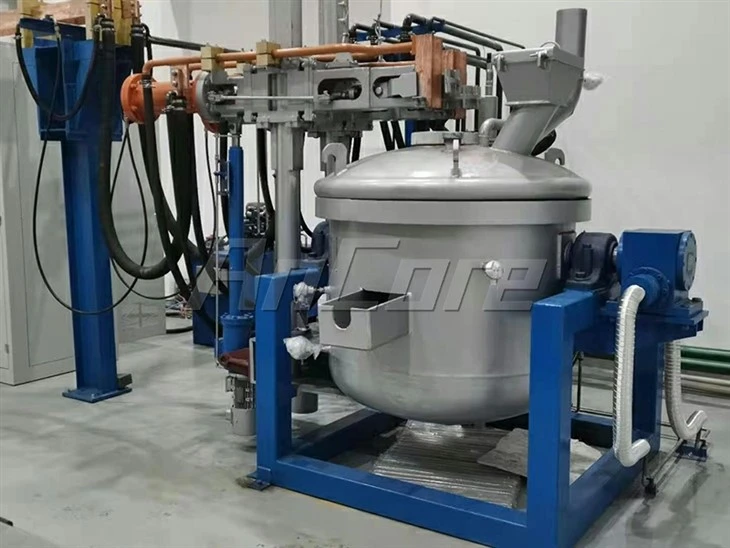
EAF systems can be engineered around the customer's production process, existing equipment, power supply, and plant layout.
Furnace Capacity: Capacity and furnace dimensions can be configured according to required heat size and production targets.
Power Configuration: Transformer capacity, secondary electrical configuration, electrode arrangement, and related electrical equipment are selected according to the required melting process and available power supply.
Feedstock & Process: The furnace can be configured for scrap, DRI, HBI, or specified combinations of metallic feedstocks. Charging and injection systems are selected according to the required metallurgical practice.
Brownfield Integration: For existing meltshops, furnace dimensions, charging arrangements, crane interfaces, cooling systems, electrical connections, and auxiliary equipment can be engineered around available plant conditions.
Automation: PLC-based furnace control can be integrated with electrode regulation, hydraulic functions, charging equipment, process monitoring, and other plant systems. The automation architecture can be defined according to the required control level.
Auxiliary Equipment: Transformer systems, hydraulic units, cooling systems, fume extraction, dust collection, charging equipment, and other furnace auxiliaries can be configured as part of the overall project.
FAQ
As one of the most professional electric arc furnace manufacturers and suppliers in China, we're featured by quality products and good price. Please rest assured to buy durable electric arc furnace made in China here from our factory. We also accept customized orders.
DC Electric Arc Furnace, Electric Arc Melting Furnace, electric arc furnacePopular Products