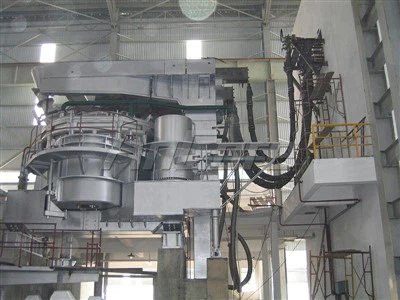
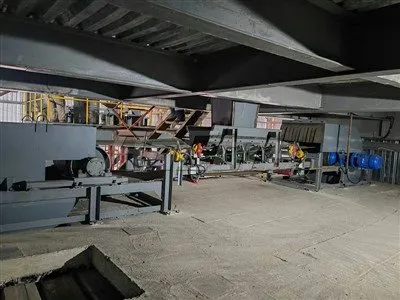
Product Overview
The Medium-Frequency Induction Smelting Furnace is an industrial melting system engineered for the controlled melting and alloy adjustment of ferrous and non-ferrous metals. It utilizes electromagnetic induction to generate heat directly within the metal charge, eliminating the need for direct electrode contact.
This furnace series is built for foundries and metal-processing facilities requiring precise batch melting, repeatable thermal management, and seamless integration with plant-level cooling, hydraulic, electrical, and fume-extraction systems.
Operating across optimized medium-frequency ranges, furnace capacity, power rating, and operating frequency are selected as a fully matched engineering system. Typical batch capacities range from approximately 100 kg to 3,000 kg, with custom larger configurations available upon request.
-
![Medium Frequency Induction Heating Furnace]() Medium Frequency Induction Heating Furnace1.Features advanced IGBT/SCR series or parallel resonance technology, maintaining a power factor >0.96 to significantly reduce reactive power losses and specific energy consumption (kWh/t).2.Equipped
-
![Medium Frequency Induction Melting Furnace]() Medium Frequency Induction Melting Furnace1.Equipped with a Series Resonance medium-frequency power supply maintaining a power factor >0.95, ensuring rapid thermal ramp-up and maximized daily throughput.2.Features a fully digital PLC


Working Principle & Furnace Structure
Working Principle
The incoming three-phase AC supply is converted through the furnace power-conversion system into medium-frequency electrical power. The resulting current flows through the water-cooled copper induction coil and produces an alternating magnetic field around the crucible.
When conductive metal is placed inside the coil, the alternating magnetic field induces electrical currents within the charge. The electrical resistance of the metal converts this induced current into heat, allowing the charge to melt without direct electrode contact.
Electromagnetic forces also promote circulation within the molten bath. This stirring effect can help distribute heat and alloying elements throughout the melt, although the resulting uniformity depends on furnace design, power level, charge condition, alloy composition, and operating parameters.
Furnace Structure
Induction Coil: Manufactured from high-conductivity copper tubing with an internal cooling passage. Electrical insulation is applied between the energized coil and surrounding furnace components. Coil dimensions, conductor size, and cooling capacity are selected according to furnace power and duty requirements.
Furnace Shell: Uses a rigid structural frame designed to support the induction coil, refractory lining, hydraulic tilting mechanism, and associated components. The frame configuration can be adapted to the furnace capacity and installation requirements.
Tilting Mechanism: A hydraulic tilting system rotates the furnace body for controlled discharge of molten metal. Tilting angle and pouring configuration depend on the furnace design and the required ladle or receiving system.
Crucible & Refractory Lining: Uses a refractory lining selected according to the metal being melted, operating temperature, chemical environment, and furnace operating conditions. Possible refractory systems include silica, alumina, magnesia, and other formulations suitable for the specified application. Lining installation and initial sintering are controlled processes because refractory condition directly affects furnace operation and maintenance requirements.
Key Features
Electromagnetic Heating: Induction heating transfers electrical energy directly into the conductive metal charge. This eliminates the need for direct electrode contact with the melt and allows the heating system to be integrated into a controlled electrical power system.
Electromagnetic Melt Stirring: The electromagnetic field produces movement within the molten bath, promoting circulation during melting. This can support more consistent temperature and alloy distribution when the furnace is operated within the specified process conditions.
Controlled Medium-Frequency Power: The power-conversion system is configured according to furnace capacity and melting requirements. Frequency and power are matched to the coil, crucible geometry, metal type, and target production rate.
Closed-Loop Coil Cooling: The induction coil is connected to a controlled water-cooling circuit. Water quality, flow rate, pressure, and temperature are monitored according to the requirements of the coil and power system. Where required, a heat exchanger can separate the internal treated-water circuit from the external cooling-water circuit.
Electrical & Process Protection: The control system can monitor operating conditions such as current, voltage, cooling-water flow, temperature, and other predefined protection parameters. Protective functions are configured according to the furnace electrical architecture and applicable safety requirements.
Hydraulic Tilting: The hydraulic system provides controlled furnace movement during metal discharge. Tilting speed and control characteristics can be configured according to the furnace capacity and pouring arrangement.
Technical Specifications
The following table outlines standard configuration ranges for engineering reference. Final system parameters are customized based on specific metallurgical targets and facility utilities.
|
Model |
Typical Steel Capacity |
Rated Power |
Typical Operating Frequency |
|
MFS-100 |
100 kg |
90 kW |
2.5 - 4.0 kHz |
|
MFS-250 |
250 kg |
200 kW |
1.5 - 2.5 kHz |
|
MFS-500 |
500 kg |
350 kW |
1.0 - 2.0 kHz |
|
MFS-1000 |
1,000 kg |
750 kW |
0.5 - 1.0 kHz |
|
MFS-3000 |
3,000 kg |
2,000 kW |
0.5 - 0.8 kHz |

Applications
Steel and Iron Foundries:
Configured for melting carbon steel, alloy steel, stainless steel, and cast iron. Typical applications include industrial castings, valve bodies, machinery components, automotive castings, and general engineering components.
Copper and Copper Alloys:
Suitable configurations for melting selected copper alloys such as brass and bronze. Typical applications include electrical components, copper alloy castings, plumbing components, and industrial hardware.
Aluminum and Non-Ferrous Metals:
Configured for selected non-ferrous metals and alloys where furnace design, crucible, refractory, and operating temperature are compatible with the material.
Metal Recycling and Remelting:
Integrated into recycling and remelting operations for suitable scrap, returns, and production residues, subject to charge composition and contamination evaluation.
Specialty Metal Melting:
Engineered for selected high-temperature or specialty alloys, evaluating atmosphere control, crucible material, refractory system, and temperature requirements before selection.
Furnace Configuration & Auxiliary Systems
A complete induction melting installation normally includes more than the furnace body and power supply. The auxiliary configuration is selected according to the production process and plant conditions:
Medium-Frequency Power Cabinet:
Contains electrical conversion and control components required to supply the induction coil, including rectification, inversion, capacitive components, protection circuits, and control electronics.
Closed-Circuit Cooling System:
Protects the induction coil via a treated or deionized water circuit, water pump, heat exchanger, expansion/monitoring components, and external cooling-water connections.
Hydraulic Power Unit:
Supplies the tilting mechanism and other hydraulic actuators, with pump configuration, pressure, tank capacity, and control valves selected according to furnace size.
Fume Extraction Interface:
Provides a canopy arrangement or duct interface for connection to a plant fume-extraction system based on actual emissions profiles.
Manufacturing & Quality Control
Quality control covers critical components and assembly stages throughout furnace manufacturing:
Copper Coil Inspection: Induction coils undergo dimensional inspection, cooling-circuit pressure testing, and electrical insulation testing before final assembly.
Electrical System Testing: Power cabinets and control systems are inspected for wiring, component installation, control functions, protection circuits, and electrical performance before shipment.
Structural Inspection: Critical structural components and welded assemblies are inspected according to applicable fabrication and quality requirements, with non-destructive testing applied to designated load-bearing welds.
Material Traceability: Documentation can be maintained for selected critical materials and purchased components, including material certificates in the project quality dossier where specified.
Factory Acceptance Testing (FAT): Arranged according to the agreed technical specification, covering electrical checks, control verification, hydraulic/cooling testing, protection interlocks, functional operation, and documentation review.
OEM & Engineering Customization
Induction melting furnaces are normally engineered according to the buyer's production process. Available engineering options include:
Multiple Furnace Bodies: A common power supply configured to serve multiple furnace bodies via electrical switching for production flexibility or maintenance changeover.
Automated Charging: Integration with weighing systems, charging bins, vibratory feeders, or other material-handling equipment.
Temperature Monitoring & PLC Integration: Temperature measurement and process-control systems configured for communication with plant-level monitoring or production-management systems (furnace status, energy consumption, fault diagnostics).
Controlled Atmosphere or Vacuum Configuration: Special furnace configurations engineered for reactive or oxidation-sensitive materials requiring vacuum chamber design and sealing.
FAQ
As one of the most professional medium-frequency induction smelting furnace manufacturers and suppliers in China, we're featured by quality products and good price. Please rest assured to buy durable medium-frequency induction smelting furnace made in China here from our factory. We also accept customized orders.
Medium Frequency Induction Heating Furnace, medium frequency induction smelting furnace, Medium Frequency Induction Melting FurnacePopular Products