Product Overview
The Electric Arc Melting Furnace (EAF) is an advanced industrial melting system that utilizes high-temperature electric arcs as the primary heat source for metal smelting. By generating an electric arc between graphite electrodes and the charge materials, the furnace rapidly heats and melts scrap steel, alloy materials, and other metallic feedstocks, enabling efficient melting, refining, and precise process control. This technology is widely adopted across the global steelmaking, alloy production, and metal recycling industries.
Working Principle
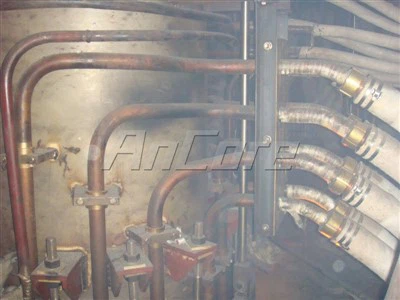
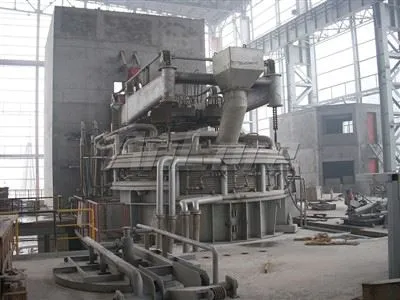
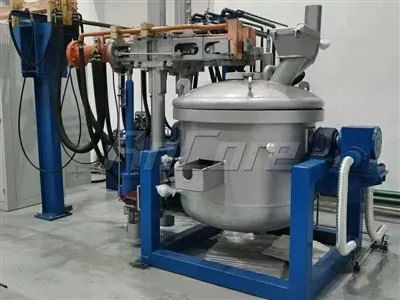
An Electric Arc Melting Furnace mainly consists of the furnace shell, refractory lining, electrode system, electrode lifting mechanism, control system, water-cooling system, and transformer. Through three-phase AC or DC power supply, high-energy electric arcs are formed between the graphite electrodes and the charged materials inside the furnace. The arc temperature can exceed 3000°C, allowing rapid melting of metallic materials and efficient heat transfer to the molten bath.
Technical Features
High Thermal Efficiency
- Direct arc heating of the charge materials ensures concentrated heat input and high melting efficiency.
- Precise temperature control enables stable operation and consistent metallurgical quality.
01
Wide Raw Material Compatibility
- Suitable for melting scrap steel, hot metal, sponge iron (DRI), and various alloy materials.
- Supports customized flux and alloy addition strategies to meet diverse production requirements.
02
High Process Flexibility
- Capable of operating under oxidizing or reducing furnace atmospheres, adapting to different metallurgical processes.
- Flexible control of charge mix, oxygen injection, and chemical composition enables rapid process adjustments.
03
Integrated Intelligent Control
- Optional advanced automation systems for temperature monitoring, arc regulation, and process data recording.
- Enhances production standardization, operational safety, and process reliability.
04
Product Advantages

Excellent Energy Efficiency
· Powered by electricity, resulting in significantly lower energy consumption compared
with traditional blast furnaces.
· Typical specific energy consumption ranges from 350–400 kWh per ton of steel.
Cost and Resource Savings
· Primarily utilizes scrap steel, substantially reducing raw material procurement costs.
· Compact equipment layout, short installation period, and fast return on investment.
Environmentally Friendly and Sustainable
· Eliminates coke combustion, significantly reducing CO₂ emissions.
· Easily integrated with off-gas treatment, dust collection, and waste heat recovery systems to support green production.
High-Quality Metal Output
· Accurate control of melting temperature and chemical composition enables effective removal of impurities such as phosphorus and sulfur.
· Suitable for producing high-quality carbon steel, low-alloy steel, and special alloy grades.
High Production Flexibility
· Supports batch production and rapid switching between different product specifications.
· Furnace capacity and automation level can be customized according to customer requirements.

Applications
Steel production and remanufacturing
Scrap metal recycling and circular utilization
High-performance alloy and special material melting
Precision metal processing and materials research & development
FAQ
Q1: What are the advantages of an electric arc furnace compared with a traditional blast furnace?
A: Electric arc furnaces offer lower energy consumption, shorter investment cycles, flexible production, rapid temperature control, and significantly reduced carbon emissions.
Q2: How is consistent product quality ensured during melting?
A: Product consistency is achieved through precise temperature monitoring, accurate charge ratio control, optimized alloy addition strategies, and advanced automation systems.
Q3: Can the furnace be customized?
A: Yes. The furnace can be customized in terms of capacity, automation level, and configuration based on production scale, raw material characteristics, and customer requirements.
Q4: How does the electric arc melting furnace perform in terms of environmental protection?
A: The furnace can be integrated with dust removal, waste heat recovery, and off-gas treatment systems, effectively reducing emissions and improving overall energy efficiency.
Hot Tags: electric arc melting furnace, China electric arc melting furnace manufacturers, suppliers, factory, Electric Arc Melting Furnace, DC Electric Arc Furnace, 50T AC Electric Arc Furnace, electric arc furnace, Ferrovanadium Melting Furnace