Product Overview
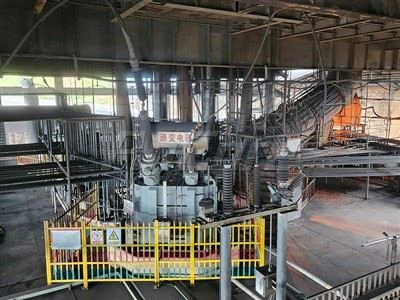
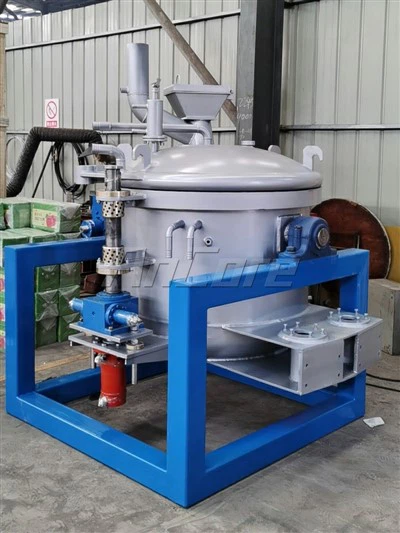
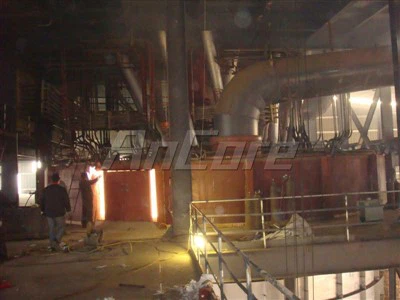
The Ferronickel Furnace is an industrial submerged arc furnace specifically designed for the production of ferronickel alloy. It is widely applied in nickel ore smelting operations and serves as the core melting unit in the RKEF (Rotary Kiln–Electric Furnace) process route.
By converting electrical energy into high-temperature thermal energy under a reducing atmosphere, the furnace enables melting and alloying of nickel and iron oxides, making it suitable for continuous and large-scale ferronickel production.
Working Principle
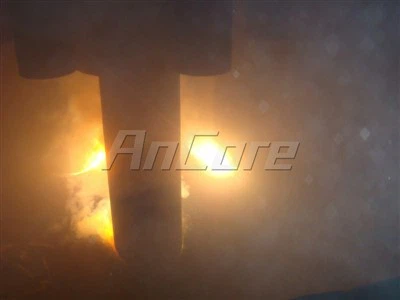
Pretreated nickel ore materials (such as dried or pre-reduced ore), together with carbonaceous reductants and fluxes including limestone, are charged into the furnace according to the designed burden ratio. High-temperature electric arc energy generated by graphite electrodes, typically operating at approximately 1600–1700°C, drives chemical reduction and melting reactions, producing molten ferronickel alloy.
Technical Features
1. High-Temperature Arc Heating and Efficient Reduction Reactions
- Electric arc energy is directly transferred to the burden, enabling high-temperature reduction of nickel and iron oxides and subsequent alloy formation. The concentrated thermal field promotes complete metallurgical reactions between nickel and iron.
2. Compatibility with Various Nickel Ore Feedstocks
- The ferronickel furnace is capable of processing different types of nickel ores, including pretreated laterite ores subjected to drying or roasting, and is well suited for RKEF (Rotary Kiln–Electric Furnace) process integration.


3. Automation Control to Enhance Smelting Efficiency
- The furnace can be equipped with PLC or DCS control systems for real-time monitoring and automatic regulation of key parameters such as current, voltage, and power, improving operational stability and product consistency.
4. Adjustable Electrode Arrangement and Charging System
- Electrode configuration (such as three-electrode layouts) can be optimized according to process requirements. Combined with efficient charging systems, this design ensures uniform heat distribution and enhanced chemical reaction efficiency within the furnace.
Product Advantages
1. High Energy Input Efficiency and Stable Production
- Direct arc heating provides high energy density, ensuring high thermal efficiency and stable smelting cycles, which contributes to increased daily output and consistent product quality.
2. Optimized Energy Utilization
- Advanced furnace design and control strategies reduce thermal losses and improve specific energy consumption per ton of product.
3. Reduced Impact on Power Grid and Smooth Operation
- Optimized electrical system design and control equipment minimize harmonics and grid disturbances, enhancing overall power supply stability within the plant.
4. Easy Operation, Maintenance, and Low Life-Cycle Cost
- Modular design and durable components simplify routine maintenance and reduce long-term operating costs.
Applications
- Ferronickel alloy production plants
- Metallurgical facilities requiring stable high-temperature smelting with high energy efficiency
- Plants with strict environmental and automation requirements
FAQ
Q1: How does the ferronickel furnace differ from conventional electric furnaces?
A: Compared with general electric furnaces, the ferronickel furnace features optimized thermal field design, stronger raw material adaptability, and higher energy utilization efficiency.
Q2: Does the furnace support integration into the RKEF process route?
A: Yes. The ferronickel furnace can serve as the core melting unit in the RKEF (Rotary Kiln–Electric Furnace) process and is highly compatible with drying, pre-reduction, and off-gas treatment systems.
Q3: Where are the energy-saving advantages mainly reflected?
A: Energy savings are achieved through optimized furnace thermal efficiency, advanced automation control, and optional waste heat recovery solutions, which reduce energy losses and specific power consumption.
Q4: How are emissions controlled during production?
A: The furnace can be integrated with dust collection, desulfurization, and gas treatment systems. Process optimization further reduces pollutant emissions and ensures compliance with local environmental regulations.
Q5: Can the equipment be customized based on production capacity?
A: Yes. Electrode configuration, furnace dimensions, and control systems can be customized according to required daily output, raw material conditions, and product specifications.
Hot Tags: ferronickel furnace, China ferronickel furnace manufacturers, suppliers, factory, Refractory Metal Melting Furnace, Silico Manganese Furnace, Ferrosilicon Smelting Furnace, DC Ferrosilicon Furnace, High Titanium Slag Smelting Furnace, submerged arc furnace