Product Overview
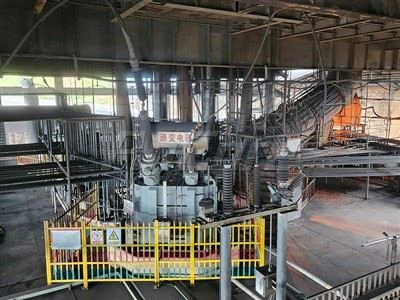
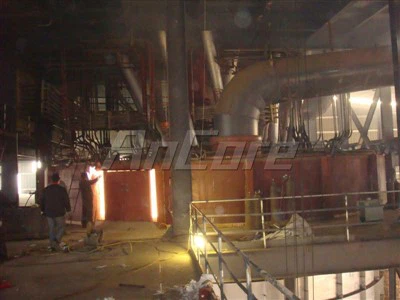
The Rare Metal Melting Furnace is a specialized metallurgical system designed for melting rare, refractory, or high-value metals such as niobium (Nb), tantalum (Ta), titanium (Ti), molybdenum (Mo), tungsten (W), as well as precious metals including gold, silver, platinum, palladium, and rhodium, along with high-performance alloys.
Compared with conventional furnace types, this melting system enables efficient and homogeneous melting and alloying under high-temperature and/or vacuum conditions. It meets the stringent requirements for high-purity melting of rare metals in aerospace, energy, electronics, and advanced materials industries.
Working Principles
The rare metal melting furnace operates based on the following core heating mechanisms:
Arc Heating
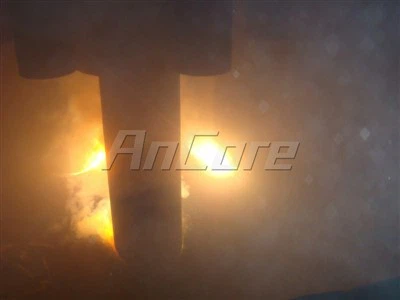
- An electric arc is generated between electrodes inside the furnace, delivering extremely high thermal energy and rapidly melting the charge in the high-temperature zone.
Induction Heating
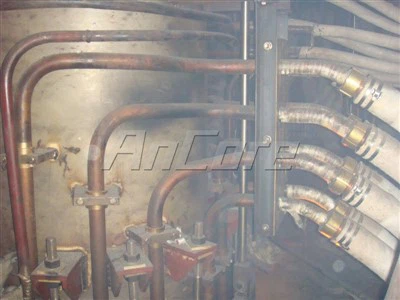
- An induction coil generates an alternating electromagnetic field, inducing eddy currents within conductive materials, which results in internal heating and melting.
Vacuum or Inert Gas Atmosphere
- For easily oxidized or highly reactive metals, melting is carried out under vacuum or inert gas protection to prevent oxidation, nitridation, and contamination that could compromise alloy purity.
These heating and atmosphere control modes can be flexibly combined according to melting point, chemical reactivity, and purity requirements.
Technical Features
1. Operation under high vacuum or inert gas atmosphere minimizes oxidation, nitridation, and other undesirable reactions, significantly improving final product purity and performance stability.
2. Multiple heating options: arc heating is suitable for ultra-high-melting-point materials, while induction heating is ideal for medium melting points or applications requiring precise temperature control. Configurations can be customized based on material characteristics and process requirements.
3. Real-time monitoring of temperature, vacuum level, and gas composition. Integration with PLC or DCS systems enables automated control, improved process consistency, and enhanced operational safety.
Product Advantages
1. High-Purity Melting Performance
Vacuum or inert atmosphere melting effectively suppresses oxidation and contamination, ensuring higher purity of rare metal feedstock and melts.
2. Precise Temperature Control and High Thermal Efficiency
Advanced heating technologies allow rapid ramp-up and stable temperature control, improving production efficiency and alloy uniformity.
3. Reduced Material Loss
Protective atmosphere or vacuum conditions minimize oxidation loss, increasing the utilization rate of high-value materials.
Applications
• Melting of rare metals and high-purity materials
• Production of high-temperature alloys for aerospace applications
• Metal recycling and resource recovery
• Laboratory research and process development
FAQ
Q1: What is a rare metal melting furnace?
A: It is a specialized furnace for melting selected high-melting-point or high-purity metals, capable of achieving efficient and high-purity melting under controlled atmospheres.
Q2: How does a rare metal melting furnace differ from a conventional electric arc furnace?
A: Rare metal melting furnaces typically operate under vacuum or protective atmospheres and place greater emphasis on purity control, whereas conventional electric arc furnaces are mainly used for steelmaking and general metallurgical processes.
Q3: Which rare metals can be melted in this furnace?
A: Suitable materials include titanium, tantalum, niobium, dysprosium, molybdenum, rare earth metals, and highly reactive alloy systems.
Q4: Is automated control supported?
A: Yes. The system can be integrated with PLC or DCS platforms to achieve stable operation and production data monitoring.
Q5: How is oxidation prevented during melting?
A: Oxidation and impurity reactions are effectively reduced through vacuum systems or inert gas atmosphere control, ensuring higher melt cleanliness.
Hot Tags: rare metal melting furnace, China rare metal melting furnace manufacturers, suppliers, factory, Refractory Metal Melting Furnace, Silico Manganese Furnace, Ferrosilicon Smelting Furnace, DC Ferrosilicon Furnace, High Titanium Slag Smelting Furnace, submerged arc furnace