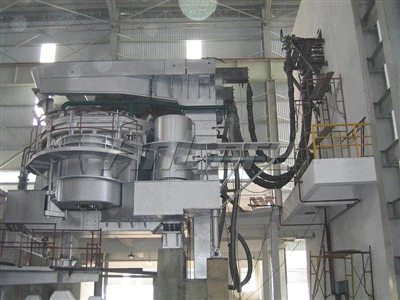
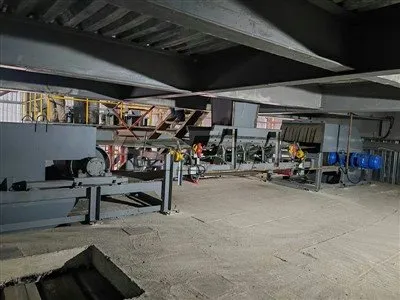
In the modern steelmaking industry, where green decarbonization and peak efficiency are paramount, the Electric Arc Furnace (EAF) has evolved far beyond a simple melting vessel. It is now a highly integrated hub for energy conversion. The core metric for evaluating the productivity of a top-tier EAF is the radical compression of the Tap-to-Tap (TTP) cycle. High-efficiency operation, in its essence, means producing high-quality molten steel with superior temperature and chemical homogeneity in the shortest possible time, while maintaining the lowest specific energy consumption per ton.
To achieve this, a modern EAF must be built upon two critical technical pillars: the "explosive power" of Ultra-High Power (UHP) energy input and the "precision" of total thermal balance management. The integration of these two forces determines a company's core competitiveness in an increasingly demanding metallurgical market.
The Source of Momentum: Integration of UHP Transformers and Precision Regulation Systems
The first step toward high-efficiency operation is constructing a robust "power heart." The matching of a UHP transformer is not a mere stacking of parameters; it represents a profound transformation in energy supply density.
During the melting phase, the complex physical state of scrap leads to violent arc fluctuations. A transformer equipped with high dynamic reactance and exceptional overload capacity ensures steady power output even under the most unstable furnace conditions. Complementing this is a millisecond-level responsive electrode regulation system. By utilizing advanced digital control algorithms, the system instantaneously senses impedance variations and adjusts electrode positions. This not only eliminates the risk of electrode breakage but also minimizes grid flicker, ensuring that every kilowatt-hour of electrical energy is precisely converted into thermal momentum for melting scrap.
The Essence of Efficiency: Auxiliary Energy Integration and Dynamic Thermal Balance
However, relying solely on increasing electrical input eventually hits a physical ceiling. Truly high-productivity furnaces utilize "chemical energy assistance" to fill the gaps in electrical input, thereby optimizing the global thermal balance within the furnace.
The introduction of Oxy-fuel Burners effectively addresses the pain point of uneven thermal distribution. By strategically placing burners to provide auxiliary heating to "cold zones" during the initial melting stage, the collapse time of the scrap can be significantly shortened. Subsequently, Carbon-Oxygen Lance technology intervenes to release massive amounts of chemical energy through oxidation reactions. When paired with Foamy Slag Practice, the arc is perfectly shielded. This method not only protects the furnace walls from direct radiant heat but also locks the heat within the molten pool, significantly reducing the specific electricity consumption per ton of steel.
Furthermore, high efficiency is not just about heat injection; it is about the stability of quality. Advanced Bottom Argon Stirring technology injects inert gases through the furnace hearth to force physical convection within the melt. This forced circulation eliminates thermal stratification, ensuring that the tapping temperature is precisely controllable. Moreover, it accelerates the uniform distribution of alloy elements and promotes the flotation of non-metallic inclusions, fundamentally enhancing alloy purity and product consistency.
The Core of Value: Translating Technical Superiority into Long-Term ROI
After understanding the technical logic of high-efficiency operation, the focus for decision-makers inevitably returns to the commercial essence: Why are these technical investments the key to ensuring a long-term Return on Investment (ROI)?
From a cost-structure perspective, the initial CAPEX of an EAF is merely the tip of the iceberg. The real profit growth is hidden in the operational data after commissioning. Every minute shaved off the Tap-to-Tap time represents a tiered leap in annual output, which dilutes fixed depreciation costs. Simultaneously, every kilowatt-hour of electricity and every kilogram of electrode saved through efficient thermal balance management translates directly into net profit.
More importantly, equipment featuring high overload capacity and sensitive regulation can better adapt to diverse raw materials and unstable production environments, reducing the risk of unplanned downtime. This predictability of operation and continuity of production are the most vital assets in modern B2B procurement.
Conclusion
In summary, high-efficiency EAF operation is a perfect collaboration between power intensity and control precision. The UHP transformer provides the solid foundation of power, while thermal balance control provides the soul of the production process. For steel enterprises aiming for sustainable growth, selecting equipment solutions that prioritize technical depth, transformer resilience, and automation intelligence is not just about immediate output-it is about securing a strategic vantage point in the future of low-carbon competition and maximizing the long-term growth of asset value.