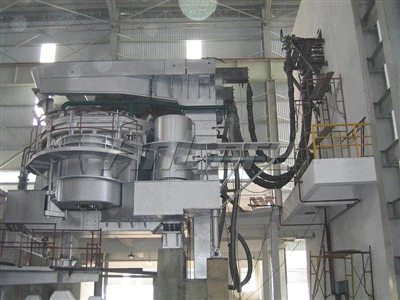
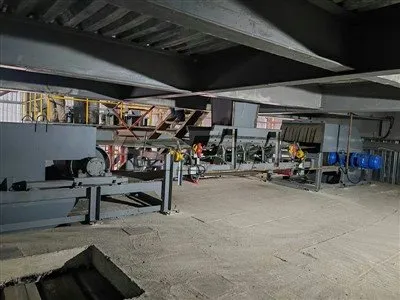
In the field of ferroalloy smelting, the operational stability of a Submerged Arc Furnace (SAF) is regarded as the "lifeline" of the enterprise. As high-energy-consumption equipment designed for continuous operation, the profitability of an SAF is heavily dependent on its utilization rate and the consistency of its output. Within the complex architecture of the furnace, the electrode system-specifically the precision synergy between the electrode holder and the pressure ring-serves as the critical pivot supporting this lifeline.
The Foundation of Industrial Stability: Deconstructing the Core Functions of the Electrode System
To understand the operational logic of an SAF, one must first define the role of the electrode system. The electrode is not merely a physical conductor for power input; it is the kinetic hub that maintains the continuity of the smelting reaction. "Long-term operational stability" manifests physically as the precise control of the electrode under extreme conditions, including temperatures reaching thousands of degrees, intense magnetic fields, and corrosive furnace gases.
A high-performance electrode gripping system performs a function far more complex than simple "fixation" or "conduction." It must support weights ranging from several to dozens of tons while ensuring that current passes into the electrode through contact plates with minimal loss. Simultaneously, it must achieve centimeter-level height adjustments based on the demands of the smelting process. This precision directly dictates the power factor, thermal efficiency, and the final chemical composition pass rate of the alloy.
The Path to Precision Synergy: Integrating Mechanical Design and Hydraulic Control
In advanced SAF designs, stability is achieved through the "rigid yet flexible" coordination between large pressure rings and combined holder structures. This synergy is implemented through three technical dimensions:
1. Combined Holders and High-Performance Conductive Elements
The contact plate is the final gateway for current transmission. Modern advanced designs utilize high-performance forged copper components. Compared to traditional cast copper, the forging process significantly enhances material density. This translates into higher conductivity and superior thermal dissipation, effectively carrying away the heat from intense radiation to prevent deformation or burnout of the contact plates. The combined structure allows for localized maintenance without dismantling major assemblies, drastically reducing on-site downtime.
2. Balanced Pressure Mechanisms of the Pressure Ring
The primary task of the pressure ring is to provide a uniform and stable gripping force for the electrode. Advanced large pressure ring designs utilize precisely calculated force-point distribution to ensure the electrode shell does not suffer from localized stress concentration. This prevents potential deformation or cracking of the shell. This balanced pressure is the technical prerequisite for smooth electrode slippage and the prevention of accidental slips.
3. High-Precision Hydraulic Closed-Loop Regulation
The lifting and slipping of the electrode are driven by high-precision hydraulic control systems. Modern systems integrate displacement sensors and pressure feedback mechanisms to achieve real-time monitoring of the electrode position. When variations in raw materials cause impedance fluctuations, the hydraulic system drives the holder to make instantaneous adjustments, maintaining a constant arc output. This high-sensitivity dynamic balance minimizes the risk of production interruptions.
The Ultimate Commercial Conversion: Why Precision Synergy Guarantees Profitability
Having understood the technical implementation, procurement specialists must ultimately focus on the economic benefits of such synergy. Why is choosing a higher-standard electrode control system during initial investment the best strategy for ensuring a long-term Return on Investment (ROI)?
First is the minimization of downtime costs. In SAF operations, an electrode slip or paste leakage not only results in high repair expenses but also leads to days of lost production value. Through the precision synergy of the pressure ring and holder, the rate of such unplanned shutdowns can be reduced to an absolute minimum, significantly boosting total annual output.
Second is the optimization of energy utilization. Stable arc control means that electrical power acts consistently on the molten pool, reducing reactive power losses caused by voltage fluctuations. Combined with the extremely low contact resistance of forged copper components, enterprises can achieve lower energy consumption per ton of product-a direct cost advantage in today's high-energy-cost environment.
Finally, there is the brand premium of product quality. Stable electrode operation leads to more precise furnace temperature control and more thorough smelting reactions. The resulting ferroalloy products possess an unparalleled advantage in composition consistency and purity. For enterprises targeting high-end markets, this is a powerful lever to win customer trust and gain market pricing power.
Conclusion
In summary, the long-term stability of a Submerged Arc Furnace is not accidental; it is the inevitable result of the precision synergy between the electrode holder and the pressure ring. Based on advanced material engineering and driven by sophisticated hydraulic control, this system achieves the perfect conversion from technical indicators to commercial profit. For ferroalloy enterprises seeking sustainable growth, understanding the logic of this system and selecting equipment solutions with deep technical roots is the definitive path toward high-efficiency smelting and continuous success.