Against the backdrop of global decarbonization, the steel and ferroalloy industries are undergoing an unprecedented paradigm shift. In the past, the core competitiveness of a metallurgical enterprise lay in its scale and volume; today, the ability to maximize energy reduction and environmental friendliness while maintaining output has become the watershed for survival in the future market. Within this transformation, "Green Metallurgy" has evolved beyond a mere slogan for regulatory compliance into a core engine for technological upgrades and cost optimization.
The Modern Essence of Energy Transition: Redefining the Green Identity of Industrial Furnaces
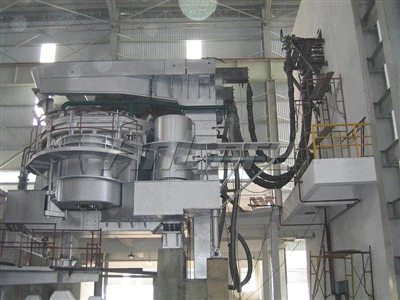
To deeply understand Green Metallurgy, one must first clarify the role of modern industrial furnaces-such as the Electric Arc Furnace (EAF) and the Submerged Arc Furnace (SAF)-within the carbon reduction pathway. In traditional smelting processes, vast amounts of thermal energy are lost through exhaust gases, representing both a massive waste of resources and an increase in carbon intensity. The essence of Green Metallurgy is, in fact, the establishment of a closed-loop energy management system.
This system requires us to view the industrial furnace as a sophisticated "energy recovery station." Beyond its core smelting function, the furnace design must integrate highly efficient resource recycling. The objective of green smelting is clear: to capture thermal energy and dust that would otherwise dissipate into the atmosphere and convert them back into production power, thereby reducing reliance on non-renewable energy at the source.
The Closed-Loop Path to Value: From Waste Heat Recovery to Ultra-Low Emission Design
Translating a green vision into actual productivity requires a logically rigorous technical path. Modern manufacturers are building high-efficiency, low-carbon smelting solutions for clients through three core pillars:
First is the comprehensive Waste Heat Recovery (WHR) System. This is the most direct and effective means of reducing energy consumption. By installing high-efficiency heat exchangers in the flue, high-quality thermal energy from exhaust gases can be captured and converted into saturated steam or hot water to drive generators or auxiliary equipment. More advanced solutions involve using flue gas heat directly for Scrap Preheating, ensuring materials reach a high initial temperature before entering the furnace. Data shows that this technology can reduce specific energy consumption per ton of product by 10%–15%, directly lowering energy costs.
Second is the Fully Enclosed Furnace Cover and Fluid Dynamic Optimization. Sealing is the prerequisite for both environmental protection and energy conservation. A fully enclosed design not only prevents the escape of high-temperature flue gases but also maintains a stable atmosphere within the furnace, reducing radiant heat loss. Coupled with high-precision Computational Fluid Dynamics (CFD) simulations, manufacturers can optimize gas collection paths, ensuring exhaust is guided into purification systems with minimal power consumption.
Third is High-Performance Baghouse Filtration and Integrated Governance. Ultra-low emission is the threshold for Green Metallurgy. By integrating high-performance membrane filter bags, the system can effectively capture micron-level ultrafine dust, ensuring emission metrics surpass the most stringent international standards. This purification process is not only for compliance but also for the secondary recovery of metallic elements from the dust, further extracting commercial value from waste.
Long-Term Strategic Value: Why the Low-Carbon Path Dictates Future Success
Having understood the technical implementation, decision-makers must perceive the underlying strategic logic. Why is selecting a manufacturer with mature environmental technologies a visionary investment for forward-thinking B2B buyers?
The most urgent reason is the mitigation of regulatory and environmental tax risks. With the gradual establishment of global carbon trade barriers, such as the EU's Carbon Border Adjustment Mechanism (CBAM), the entry threshold for high-carbon products will rise significantly. Investing in equipment with WHR and ultra-low emission capabilities grants products a "Green Passport," exempting them from high carbon tax costs in future international trade and securing an absolute cost advantage.
Next is the certainty of energy costs. In a market characterized by volatile energy prices, enterprises with higher energy efficiency possess stronger risk resilience. Energy generated through waste heat recovery acts as a "moat," protecting the enterprise against rising utility prices.
Finally, there is the premium on brand value and social responsibility. Downstream in the supply chain, an increasing number of high-end manufacturing clients (such as New Energy Vehicle and aerospace sectors) are conducting carbon footprint audits on their raw material suppliers. Suppliers with green smelting capabilities are more likely to secure long-term favor from these high-premium clients, achieving the leap from a "low-end foundry" to a "high-end green supply chain partner."
Conclusion
In summary, Green Metallurgy is the definitive path from a closed energy loop to commercial victory. By utilizing efficient WHR systems to "increase revenue and reduce expenditure" of energy, paired with seamless ultra-low emission designs, enterprises can achieve significant reductions in energy consumption per ton and establish long-term competitive barriers amidst the global tide of carbon neutrality. For the smelting industry of the future, "green" is not just a color; it is a profound accumulation of technical expertise and a sharp sense of business foresight. Choosing equipment manufacturers that provide full-lifecycle low-carbon solutions is, fundamentally, choosing a future of sustainable growth.